
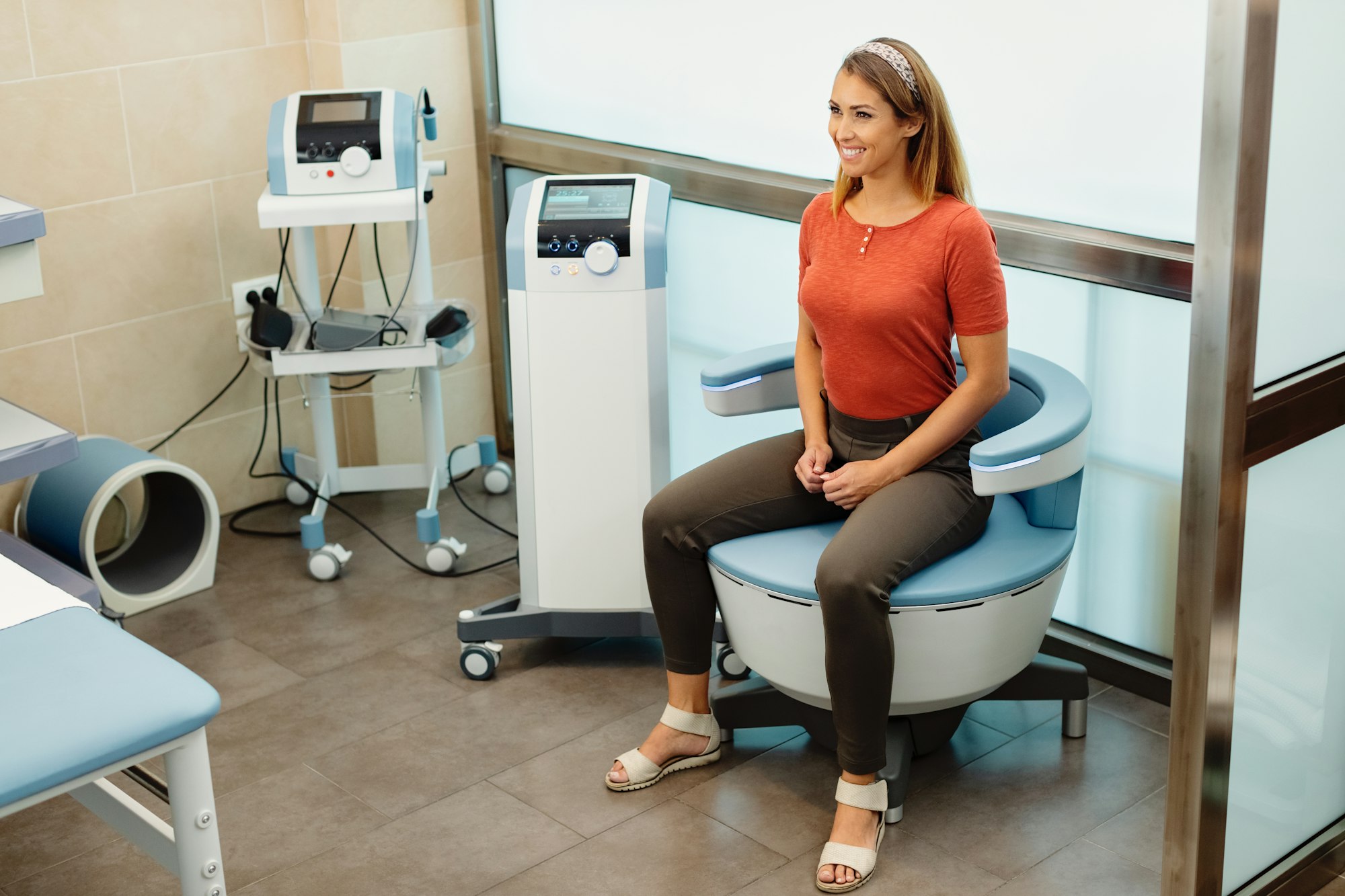
Comprehensive Treatment for Urinary Incontinence in Elderly Female: Effective Solutions for a Common Issue
Urinary incontinence is a prevalent issue among elderly women, but effective treatment for urinary incontinence in elderly females is available. This article discusses various approaches, from lifestyle modifications to surgical options, empowering women to regain control.

By Trevor Lanning
Compare health plans
Finding plans in your area…
Urinary incontinence is a common issue that affects many elderly women, often leading to feelings of embarrassment and isolation. It refers to the involuntary loss of urine, which can occur during activities such as coughing, sneezing, or even laughing. Understanding the underlying causes is crucial for finding effective treatment for urinary incontinence in elderly female. Factors such as hormonal changes, weakened pelvic muscles, and certain medical conditions can contribute to this condition, making it essential for women to seek help rather than suffer in silence.
Many elderly women may not realize that urinary incontinence is not a normal part of aging. It can stem from various causes, including urinary tract infections, neurological disorders, or the side effects of medications. By recognizing the symptoms and understanding the triggers, women can take proactive steps toward managing their condition. It’s important to consult with healthcare professionals who can provide a proper diagnosis and recommend suitable treatment options tailored to individual needs.
Treatment for urinary incontinence in elderly females can vary widely, ranging from lifestyle changes to medical interventions. Simple adjustments, such as fluid management, bladder training, and pelvic floor exercises, can significantly improve symptoms. In some cases, medications or surgical options may be considered, depending on the severity of the incontinence and the overall health of the individual. The key is to find a personalized approach that works best for each woman, as no single solution fits all.
Support and education play vital roles in managing urinary incontinence. Many women may feel hesitant to discuss their symptoms, but open conversations with healthcare providers can lead to effective treatment plans. Additionally, support groups can provide a sense of community and understanding, helping women realize they are not alone in their struggles. By fostering awareness and encouraging dialogue, we can empower elderly women to seek the treatment they deserve and improve their quality of life.
Lifestyle Modifications to Manage Symptoms
Managing urinary incontinence in older women often begins with simple lifestyle modifications that can significantly alleviate symptoms. These changes are not only effective but also empower women to take control of their condition. For instance, incorporating pelvic floor exercises, commonly known as Kegel exercises, can strengthen the muscles that support the bladder. By practicing these exercises regularly, women may notice a reduction in leakage and an overall improvement in bladder control. It’s a straightforward yet impactful treatment for urinary incontinence in elderly female patients that can be done discreetly at home.
Diet plays a crucial role in managing urinary incontinence. Certain foods and beverages can irritate the bladder, leading to increased urgency and frequency of urination. Women should consider reducing their intake of caffeine, alcohol, and spicy foods, which can exacerbate symptoms. Instead, focusing on a balanced diet rich in fruits, vegetables, and whole grains can promote overall health and potentially ease incontinence issues. Staying hydrated is also essential, but it’s wise to limit fluid intake in the hours leading up to bedtime to minimize nighttime trips to the bathroom.
Weight management is another vital aspect of lifestyle modification. Excess weight can put additional pressure on the bladder, worsening urinary incontinence symptoms. Engaging in regular physical activity not only helps maintain a healthy weight but also strengthens the pelvic floor muscles. Activities like walking, swimming, or yoga can be beneficial. For older women, finding enjoyable and manageable forms of exercise can make a significant difference in their quality of life and help in managing urinary incontinence effectively.
Lastly, establishing a bladder training routine can be an effective strategy. This involves setting specific times to use the bathroom and gradually increasing the intervals between visits. This technique can help retrain the bladder and improve control over time. Combining these lifestyle modifications with other treatments can provide a comprehensive approach to managing urinary incontinence. Remember, it’s always a good idea to consult with a healthcare provider to tailor a plan that best suits individual needs and circumstances.
Medications for Treating Urinary Incontinence
When it comes to managing urinary incontinence in older women, medications can play a crucial role. These treatments are designed to help strengthen the bladder and reduce the frequency of involuntary leaks. Commonly prescribed medications include anticholinergics, which work by relaxing the bladder muscles, allowing for better control. Another option is beta-3 adrenergic agonists, which can help increase bladder capacity. It’s important to consult with a healthcare provider to determine the most suitable treatment for urinary incontinence in elderly female patients, as individual needs may vary.
In addition to anticholinergics and beta-3 agonists, some women may benefit from topical estrogen therapy. This approach can improve the health of the urethra and surrounding tissues, making it easier to manage incontinence symptoms. While medications can be effective, they may also come with side effects, such as dry mouth or constipation. Therefore, discussing these potential risks with a doctor is essential to ensure that the benefits outweigh any drawbacks. Lifestyle changes often complement medication treatments.
For instance, incorporating pelvic floor exercises can enhance the effectiveness of prescribed drugs. These exercises help strengthen the muscles that support the bladder, leading to improved control over time. Additionally, maintaining a healthy weight and avoiding bladder irritants like caffeine can further support the effectiveness of medications. It’s all about finding the right balance that works for each individual. Ultimately, the journey to managing urinary incontinence is unique for every woman.
While medications can provide significant relief, they are often most effective when combined with other strategies. Regular follow-ups with healthcare providers can help track progress and make necessary adjustments to the treatment plan. Remember, seeking help is the first step towards regaining confidence and improving quality of life, so don’t hesitate to explore all available options for treatment for urinary incontinence in elderly female patients.
Physical Therapy and Pelvic Floor Exercises
Physical therapy and pelvic floor exercises are increasingly recognized as effective treatments for urinary incontinence in elderly females. These approaches focus on strengthening the muscles that support the bladder and urethra, which can significantly improve bladder control. Many older women may feel embarrassed discussing their incontinence issues, but it’s important to know that these treatments are not only common but also highly beneficial. A trained physical therapist can guide patients through tailored exercises that target the pelvic floor, helping to restore function and confidence. One of the most popular methods is Kegel exercises, which involve repeatedly contracting and relaxing the pelvic floor muscles.
These exercises can be done discreetly at home or even while sitting in a chair. The key is consistency; performing Kegel exercises regularly can lead to noticeable improvements over time. Physical therapists often recommend starting with a few repetitions each day and gradually increasing the intensity and duration as strength builds. This gradual approach helps ensure that the treatment for urinary incontinence in elderly females is both effective and manageable. In addition to Kegel exercises, physical therapy may include biofeedback and electrical stimulation.
Biofeedback provides real-time feedback on muscle activity, helping women learn how to better control their pelvic floor muscles. Meanwhile, electrical stimulation can help activate these muscles, especially for those who may struggle to engage them on their own. Both methods can be particularly useful for women who have experienced significant muscle weakening due to age or childbirth, making them valuable components of a comprehensive treatment plan. Overall, incorporating physical therapy and pelvic floor exercises into the management of urinary incontinence can lead to improved quality of life for older women. Not only do these treatments help reduce symptoms, but they also empower women to take control of their health.
If you or someone you know is dealing with urinary incontinence, consider reaching out to a healthcare provider to discuss these effective options. With the right support and guidance, regaining bladder control is entirely possible!
Surgical Options for Severe Cases of Incontinence
When conservative treatments for urinary incontinence in elderly females, such as pelvic floor exercises and lifestyle changes, don’t provide sufficient relief, surgical options may be considered. These procedures are typically reserved for severe cases where incontinence significantly impacts quality of life. It’s essential to consult with a healthcare provider who specializes in urology or gynecology to discuss the most suitable surgical interventions based on individual health conditions and preferences. One of the most common surgical treatments is the mid-urethral sling procedure.
This minimally invasive surgery involves placing a mesh tape under the mid-portion of the urethra to provide support and prevent involuntary leakage during activities like coughing or exercising. Many women report significant improvements in their symptoms after this procedure, making it a popular choice among those seeking effective treatment for urinary incontinence in elderly females. Another option is the Burch colposuspension, which involves lifting the bladder neck and securing it to the pelvic wall. This surgery has been performed for decades and has a strong track record of success.
While it may require a longer recovery time compared to sling procedures, many women find that the benefits far outweigh the temporary discomfort. It’s crucial to weigh the pros and cons of each surgical option with your doctor to determine the best fit for your situation. Lastly, for those with more complex cases, the artificial urinary sphincter (AUS) may be recommended. This device is implanted around the urethra and can be inflated or deflated to control urination.
While it is more invasive and requires a surgical procedure, it has been shown to be highly effective for women with severe stress urinary incontinence. As with any treatment for urinary incontinence in elderly females, thorough discussions with healthcare professionals can help ensure that the chosen method aligns with personal health goals and lifestyle.
Find peace of mind today—get your free quote at newhealthinsurance.com or 833-877-9927.
Compare health plans
Finding plans in your area…