
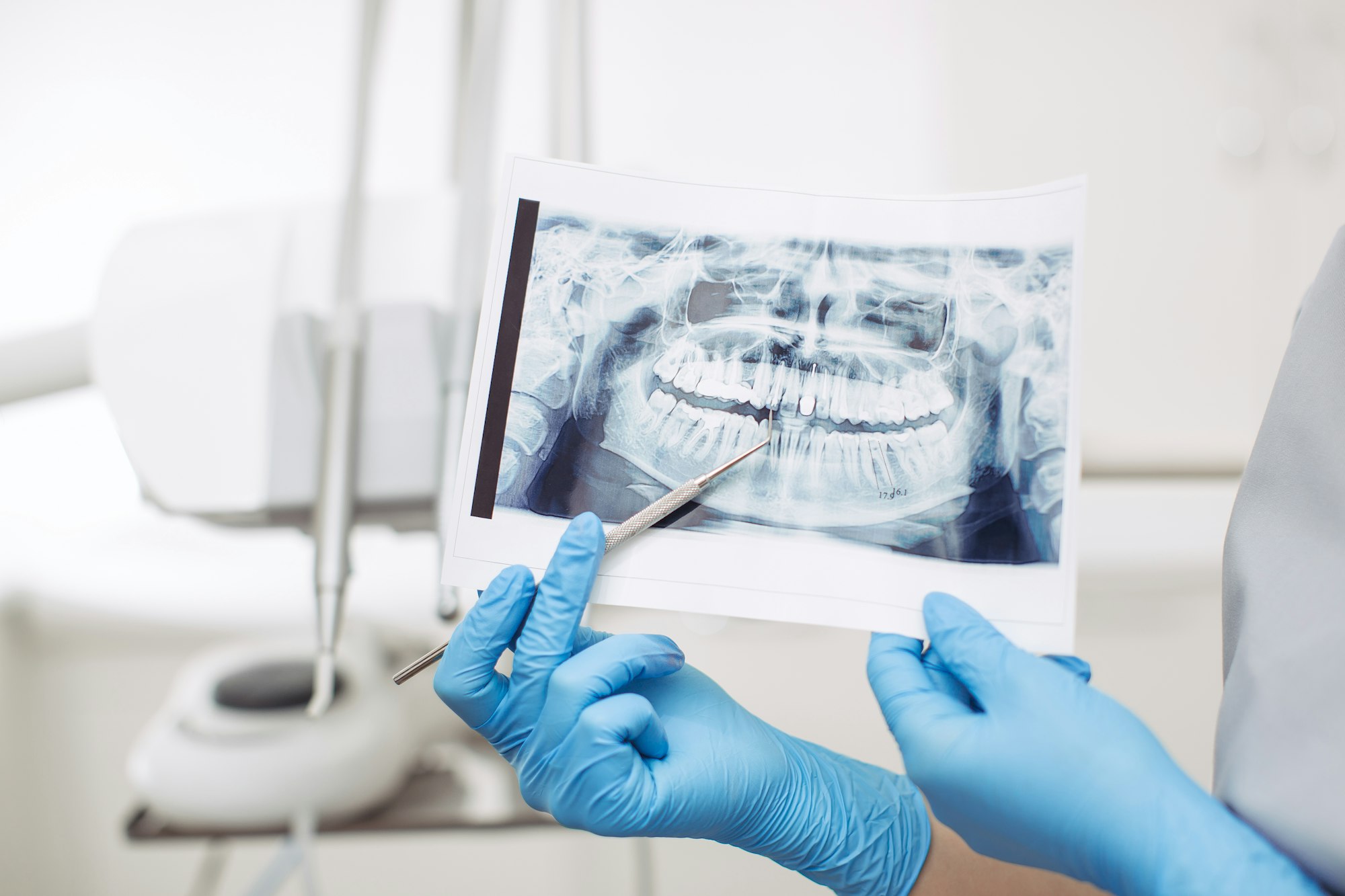
Does Medicare Covers Dental Implants? Coverage, Costs, and Options
Many people wonder whether Medicare covers dental implants for dental care. Dental implants are considered one of the best solutions for missing teeth, offering durability and natural function. However, Medicare’s

By Trevor Lanning
Compare health plans
Finding plans in your area…
Many people wonder whether Medicare covers dental implants for dental care. Dental implants are considered one of the best solutions for missing teeth, offering durability and natural function. However, Medicare’s limitations on dental coverage often leave individuals with unanswered questions.
This comprehensive guide will explore when Medicare applies to dental implants, associated costs, and alternative options to reduce expenses.
What Exactly is Medicare, and What Does It Cover?
Medicare is a federal health insurance program primarily covering hospital and medical services for seniors aged 65+ and some younger individuals with disabilities.
However, understanding its dental coverage limitations is key when considering treatments like dental implants. Medicare consists of four parts:
- Part A (Hospital Insurance): Covers inpatient hospital stays, skilled nursing facilities, and some home care services.
- Part B (Medical Insurance): Covers outpatient services like doctor visits and preventive care.
- Part C (Medicare Advantage Plans): Private insurance offers Parts A and B, often with additional benefits like dental coverage.
- Part D (Prescription Drug Coverage): Helps cover medication costs.
However, Original Medicare (Parts A and B) generally excludes routine dental care, including procedures like exams, cleanings, dentures, and implants.
When Does Medicare Cover Dental Implants?
While dental implants are not typically covered, Medicare may step in if the procedure is part of a broader medical necessity. Here are situations where Medicare might assist:
- Accidents or Trauma
If you suffer an accident or injury that requires jaw reconstruction, Medicare Part A could cover dental implants as part of the surgical procedure. - Serious Illnesses
Coverage may apply if dental implants are part of treatment for conditions like oral cancer or jaw diseases that require hospitalization.
Example: If you require jaw surgery in a hospital setting, Medicare Part A might help pay for surgery-related costs but not the dental implants themselves.
What are the Costs of Dental Implants Without Medicare?
If you don’t have coverage, the costs of dental implants can add up quickly. On average, the price breakdown looks like this:
- Single Tooth Implant: $1,500 to $6,000.
- Multiple Teeth Implants: $3,000 to $12,000.
- Full-Mouth Implants: $20,000 to $45,000, depending on materials and complexity.
These high costs can make implants inaccessible without proper planning.
Alternative Coverage Options for Dental Implants
If Medicare does not cover your dental implants, here are some other options to consider:
1. Medicare Advantage (Part C)
Medicare AdvPrivate insurance providers offer Medicare Advantage plans that include dental benefits. While coverage varies, some plans may partially cover dental implants or related services. Check your plan’s terms and network providers.
2. Standalone Dental Insurance
Many private dental insurance policies cover implants up to a certain amount or percentage. Look for plans with implants that specifically mention implant coverage savings Accounts (HSA) or Flexible Spending Accounts (FSA)
These accounts allow you to save pre-tax dollars for qualified medical and dental expenses, including dental implants.
4. Dental Discount Plans
Unlike insurance, these membership-based programs provide discounted rates on dental procedures, including implants, from participating providers.
5. Financing Options and Payment Plans
Many dentists offer financing options, such as:
- Monthly installment plans.
- Third-party financing (e.g., CareCredit).
- Low-interest loans tailored for dental procedures.
Comparing Dental Implant Alternatives
If the cost of implants feels prohibitive, here are some alternative solutions to consider:
- Dentures
- Less expensive than implants.
- Can be removable or fixed.
- Dental Bridges
- A non-implant option for replacing missing teeth.
- Costs less but may require adjacent teeth for support.
- Mini-Implants
- Smaller, less invasive version of dental implants.
- Cost-effective for patients with less bone density.
FAQs About Medicare and Dental Implants
- Does Original Medicare Cover Dental Implants?
No, Original Medicare does not cover dental implants or routine dental care. - Can Medicare Advantage (Part C) Cover Dental Implants?
Yes, some Medicare Advantage plans offer dental coverage that may include implants. Check your plan details. - What Alternatives Exist if Medicare Doesn’t Cover Implants?
You can explore private dental insurance, discount plans, HSAs/FSAs, or financing options. - Are Dental Implants Considered Medically Necessary?
Implants are typically considered elective but may be covered if required due to trauma, oral cancer, or reconstruction surgery. - How Much Do Dental Implants Cost Without Insurance?
Costs vary Depending on materials, complexity, and provider. They can cost $1,500 to $6,000 per implant, depending on Medicaid Coverage.
Medicaid may provide limited coverage for implants in certain states under special medical conditions. - Are There Financing Plans Available for Dental Implants?
Many dentists offer payment plans, low-interest loans, or third-party financing options like CareCredit. - What Dental Insurance Providers Cover Implants?
Providers like Delta Dental, Cigna, and Aetna may offer plans that cover a portion of dental implant costs.
Final Thoughts
Medicare, in its original form, does not cover dental implants unless they’re part of a medically necessary treatment. However, options like Medicare Advantage plans, private dental insurance, and alternative financing can help you manage costs effectively.
If you’re considering dental implants, evaluate your options, compare plans, and consult your dentist and insurance provider. While the initial investment may seem high, the benefits of dental implants—restored confidence, comfort, and functionality—are truly priceless.
Ready to explore your options for dental implants? Take the first step toward a healthier smile today!
Compare health plans
Finding plans in your area…