
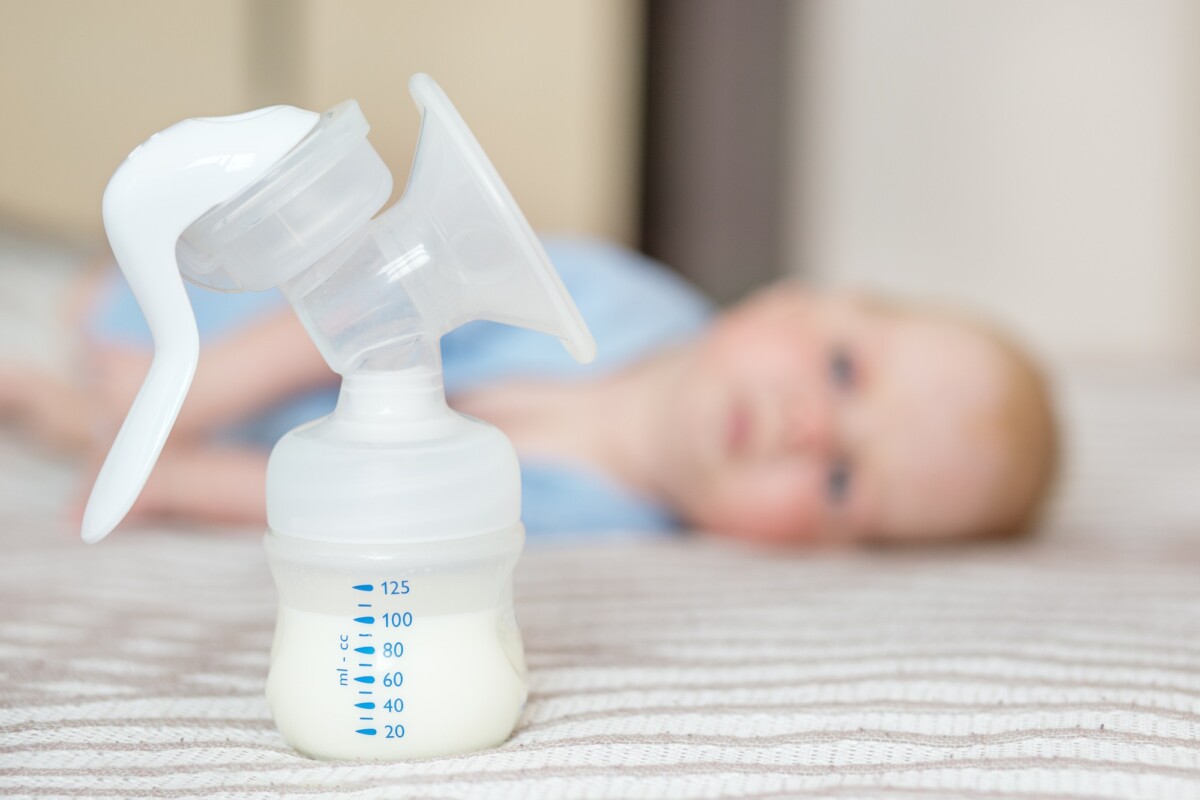
Aetna’s Breast Pump Benefits: Quality Care for New Moms
Navigating health insurance benefits can feel overwhelming, especially for new and expecting mothers. In 2025, Aetna breast pump coverage remains a vital benefit for families looking to support breastfeeding with

By Isaiah Monroe
Compare health plans
Finding plans in your area…
Navigating health insurance benefits can feel overwhelming, especially for new and expecting mothers. In 2025, Aetna breast pump coverage remains a vital benefit for families looking to support breastfeeding with medical-grade equipment. If you’re insured by Aetna and wondering what breast pump is covered by insurance, you’re not alone. Understanding your rights and options under the Affordable Care Act and your specific plan can save you time, money, and stress.
This comprehensive guide explores Aetna’s 2025 breast pump coverage, how to qualify, which pumps are included, and how to order your pump with little to no out-of-pocket cost. Plus, we’ll cover additional benefits like baby formula coverage, and review the most effective breast pumps available today.
Aetna Breast Pump Coverage 2025 Overview
As of 2025, Aetna continues to provide breast pump coverage under the Affordable Care Act (ACA). Under the ACA, most health insurance plans must cover the cost of a breastfeeding support system, including one breast pump per pregnancy, at no cost to the policyholder.
Types of Pumps Covered
Depending on your plan and medical necessity, Aetna covers the following pump types:
-
Manual breast pumps
-
Electric breast pumps
-
Hospital-grade breast pumps (with prior authorization)
-
Double-electric breast pumps (commonly preferred by working moms)
Who Is Eligible?
To be eligible for an Aetna-covered breast pump, you must:
-
Be pregnant or recently given birth
-
Have active Aetna insurance coverage
-
Obtain the pump from an in-network Durable Medical Equipment (DME) provider
-
Have a prescription from your doctor (for some models)
How to Order an Aetna Breast Pump in 2025
Getting your breast pump through Aetna is straightforward if you follow these steps:
Step 1: Confirm Eligibility
Before choosing a pump, verify your benefits through:
-
Aetna’s member portal (Aetna.com)
-
The phone number on your Aetna ID card
-
Your OB-GYN or midwife’s office
Ask:
“Does Aetna cover pumps under my plan?”
This will help determine:
-
What models are covered
-
When you can order (before or after birth)
-
If you need a prescription
Step 2: Choose an In-Network Provider
To get your pump covered at 100%, use an Aetna in-network DME supplier. Popular options include:
-
Aeroflow Breastpumps
-
Edgepark
-
Byram Healthcare
-
Medline
These providers usually:
-
Handle insurance paperwork
-
Ship the pump directly to your home
-
Offer upgrade options for an additional fee
Step 3: Select a Covered Pump
Once you’ve confirmed your benefits and chosen a provider, browse the covered Aetna breast pump models. Commonly covered brands include:
-
Spectra
-
Medela
-
Elvie
-
Willow
-
Evenflo
-
Motif
Step 4: Submit Your Order
Submit your order through the provider’s online portal or via phone. Include:
-
Your Aetna member ID
-
Physician name and contact info
-
Estimated due date
-
Preferred pump model
Step 5: Delivery
Most pumps ship within 7-10 business days. Some providers allow pre-birth delivery, while others may require birth confirmation.
Best Aetna Breast Pump Brands Covered in 2025
Below are some of the top-rated breast pumps typically covered by Aetna:
1. Spectra S1 Plus Electric Breast Pump
-
Hospital-strength suction
-
Rechargeable battery
-
Closed system
-
Quiet motor
-
Great for exclusive pumping moms
2. Medela Pump In Style with MaxFlow
-
Double-electric pump
-
Lightweight and portable
-
Closed system
-
Great for everyday use
3. Elvie Double Electric Wearable Pump
-
Hands-free design
-
Worn inside your bra
-
Rechargeable
-
Smart app integration
-
(May require upgrade fee)
4. Willow Go Wearable Breast Pump
-
Cord-free and discreet
-
Quiet and compact
-
Perfect for working or on-the-go moms
5. Motif Luna Double Electric Pump
-
Hospital-strength suction
-
Nightlight for nighttime pumping
-
Portable and user-friendly
6. Evenflo Advanced Double Electric
-
Budget-friendly
-
Adjustable suction
-
Lightweight design
Each of these models offers something unique depending on your lifestyle, work situation, and pumping needs.
Does Aetna Cover Hospital-Grade Breast Pumps?
In certain medical situations, Aetna may cover hospital-grade breast pumps. This usually requires:
-
A doctor’s prescription stating medical necessity
-
Prior authorization from Aetna
-
Short-term rental through a DME provider
Situations that might qualify:
-
Preterm infant
-
NICU stay
-
Difficulty with milk supply
-
Medical complications
Does Aetna Cover Breast Pump Replacement Parts?
While Aetna covers the pump itself, replacement parts like bottles, tubing, valves, and flanges may or may not be covered, depending on your plan. Some DME providers offer:
-
One-time kits
-
Ongoing part replacement
-
Subscription options for supplies
Does Aetna Cover Baby Formula?
This is one of the most frequently asked questions: “Does Aetna cover baby formula?”
The answer: It depends on your plan.
Generally, standard baby formula is not covered unless:
-
It’s medically necessary
-
Your baby has a diagnosed condition like severe food allergies, metabolic disorders, or GI issues
-
A doctor writes a prescription
-
The formula is a specialized medical food (e.g., Nutramigen, EleCare, Neocate)
Call Aetna directly and ask if baby formula is covered under:
-
Medical benefits
-
Prescription benefits
What Breast Pump Is Covered by Insurance?
All ACA-compliant insurance plans, including Aetna, must provide:
-
One breast pump per pregnancy
-
Without cost-sharing
-
From an in-network supplier
Covered pumps vary based on:
-
Availability
-
Supplier stock
-
Medical necessity
You may also have upgrade options for premium models (like Elvie or Willow), where Aetna pays a portion, and you cover the rest.
When Can I Order My Breast Pump?
Typically, Aetna allows orders at:
-
30 weeks gestation (third trimester)
-
Some plans allow earlier with a doctor’s note
In-Network vs. Out-of-Network: Why It Matters
Always use an in-network provider to ensure full coverage. If you go out-of-network:
-
You may pay the full price
-
Reimbursement is not guaranteed
-
Claims processing can be complex
Can I Get a Second Breast Pump with Aetna?
Most Aetna plans cover one pump per pregnancy. However, you may qualify for a second if:
-
You’re having twins or multiples
-
Your first pump was damaged
-
You need a different type for medical reasons
Check with Aetna for specific plan exceptions.
Breastfeeding Support Through Aetna
Aetna doesn’t just cover breast pumps. You may also have access to:
-
Lactation consultants
-
Prenatal breastfeeding classes
-
Postpartum support
-
Telehealth breastfeeding consultations
These services are usually covered under preventive care benefits.
Additional Resources from Aetna
Aetna’s online portal offers tools for pregnant and postpartum moms, including:
-
Maternity support programs
-
Educational videos and articles
-
Mobile health apps
You can also call the Aetna customer service line to speak with a maternity nurse or case manager.
Cost and Copay Expectations
Most members pay $0 out-of-pocket for their covered pump. However:
-
Upgraded pumps may cost $50–$250
-
Additional accessories may not be covered
-
Shipping is usually free through in-network DMEs
The Most Effective Breast Pump for You
Choosing the most effective breast pump depends on your personal needs and lifestyle. Here are some key considerations to help you decide which type of pump might be best for you:
-
Stay-at-home moms: A manual pump or a standard electric breast pump may work well for those who don’t need to pump frequently. These options are generally affordable and easy to use.
-
Working moms: A double-electric pump or a wearable pump can be a great choice for working moms who need to pump more often. Double-electric pumps are efficient and save time, while wearable pumps like the Elvie or Willow allow for more flexibility and mobility.
-
Exclusive pumpers: For moms who will be exclusively pumping, a hospital-grade pump (like the Spectra S1) provides powerful suction and reliability. These pumps are often ideal for frequent use and ensuring a good milk supply.
-
On-the-go lifestyles: Wearable pumps such as the Elvie or Willow are perfect for moms who are frequently on the move. These pumps are discreet, hands-free, and portable, making them convenient for busy schedules.
-
Budget-conscious: If you’re looking for a more affordable option, pumps like the Evenflo or Motif Luna offer solid performance at a lower price point. These are reliable choices that don’t compromise on essential features.
Consulting your doctor or a lactation consultant can help you make the most informed decision based on your specific needs.
FAQs About Aetna Breast Pump Coverage
Does Aetna cover pumps?
Yes, Aetna covers one breast pump per pregnancy at no cost under most plans, as part of the Affordable Care Act benefits.
What breast pump is covered by insurance?
Covered models vary by plan and supplier but typically include Spectra, Medela, Elvie, Motif, and more. Always use an in-network supplier.
Does Aetna cover baby formula?
Not usually. Aetna only covers specialized medical formulas if prescribed for a medical condition. Regular baby formula is typically not covered.
What is the most effective breast pump?
The most effective pump depends on your needs. Top choices include Spectra S1 for power, Elvie for convenience, and hospital-grade options for medical situations.
Final Thoughts:
Aetna’s breast pump benefits make it easier than ever to support your breastfeeding journey in 2025. By understanding your plan details, choosing the right supplier, and selecting a pump that fits your lifestyle, you can take full advantage of this valuable benefit.
Peace of mind starts with the right health insurance! Get covered today at NewHealthInsurance.com or call 📞 (833) 877-9927.
Compare health plans
Finding plans in your area…